Showing posts with label Frugal baybee. Show all posts

Jul 11, 2010

I SO WANT TO KNOW!

Most people would just tell you they'd be happy for a healthy baby when they get to number 7, but I'm really hoping for one last girl.  A sweet baby girl to dress up in pink and bows, cute shoes, hair bobs, and girly things.  I love my boys but they are such a different breed that my girls.

So I had a friend tell me about the Baby Gender Prediction Test from IntelliGender and I am DYING to try it.  Problem is I'm cheap and with as many kids as I have, the $35 price tag could buy more than just a test, ya know?

But I'm not choosy, I'd be GLAD to pimp myself and unborn child out to the IntelliGender people for a free test and a full on blog showcase about their assuredly awesome product.  You know where to reach me, right?  (wink, wink)

For the record, we're now eleven weeks into this pregnancy and all seems to be well.  The morning sickness is still hanging around, but it's good since it assures me that things are still ok.  Tiredness abounds, what with the family size we have and our personal home business, but I'm surviving.  Nap time is sacred.  Don't call then or I just WON'T. ANSWER.  And look how beautiful these 11 week size feet are: Perfection.


May 28, 2010

Memorial Day Grilling!

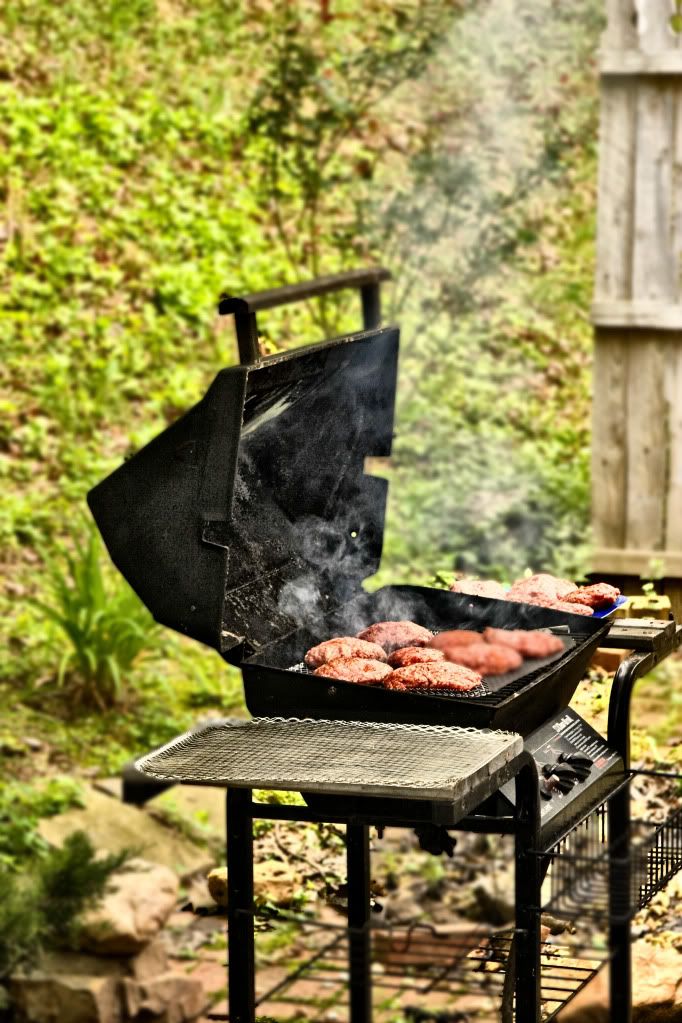
Yes!  We are having a BBQ party this Sunday afternoon to celebrate Memorial day.  It should be fun, since friends and food are a winning combo almost always.  But my grill!!  Besides only half of the gas blowers funnels outlets working (just the left side, thanks) it could use a good scrub.

I usually give the wires a good scrubbing before I lay the meat on but it's probably time for a good, deep clean.  When I ran across an article on I Dream of Clean, I was jazzed!  Easy, swift, and done with things around the house - no special trips for special supplies.  That's right up my alley.

Here is what it said:

  • Start with a cold grill so you don’t get burned. Cover the grill racks completely with two layers of aluminum foil.
  • Turn on the grill and keep it on for about 15 minutes. There may be tons of smoke but they say not to worry in the article! It’s the cleaning magic!
  • Let the grill cool.
  • Once cool, open the lid, remove the foil and bunch it into a ball. Use the ball of aluminum foil to scrub the grill grates.
  • Rinse the grill grates with cool water.
  • Enjoy your clean grill and get ready to cook out!
Easy Peasy, as my kids would say. 

So my sad little grill, that could really use a replacement, will be clean and shiny while only firing on half it's side (pun intended).  Good thing Uncle Steve will be bringing his grill along!


photo courtesy Morgue File

Apr 28, 2010

Give Me Something! Family Pizza Night Give Away!

Saving money is a big deal for someone with five kids. I look for a way to save wherever I can - from menu planning, to buying generic, to forgoing some of the extras I really want.  As a stay home mom, we live on ONE income and that means sacrifice.

I ran across this site quite by accident, through another Twitter read.  But I'm glad I did!  Saving the Family Money has links to coupons, an online database, and hot sales at the grocery store.  Sadly, we don't have a Publix or Food Lion here, but those are just the top two I read about today. 

Karen, who is STFM, is also a devotee of thrift store shopping.  A woman after my own heart!  Hers looks like it might be more high quality stuff than we have here with the Deseret Industries or St. Vincent dePaul or Idaho Youth Ranch, but still, thrift is thrift.  I'm wishing I was closer to that Habitat for Humanity ReStore.  I think we may have one in our area, but it's open odd hours and never the same time twice.

I look forward to seeing more of Karen's posts and learning more from her on saving money.  Meanwhile, visit her site for a chance to win BIG!  She's giving away a Family Pizza Night set.  Lookie here: 

Here's a little snip from her site:

Would you like to win a Family Pizza Night Prize Pack?  This would be great for you family, a gift or even a classroom! :)
Prize pack  includes:
  • VIP coupon for a free package of Pillsbury Pizza Crust
  • Pictureka, the find it fast game from Hasbro, which you and your family can play to make pizza night even more special
  • A set of Pizza Plates


I'm down with that!!  Hope there is enough plates for my massive family...  Just drop by Saving the Family Money and enter to win.  All the rules are there. 


Jan 9, 2010

Freezer & Pantry Challenge

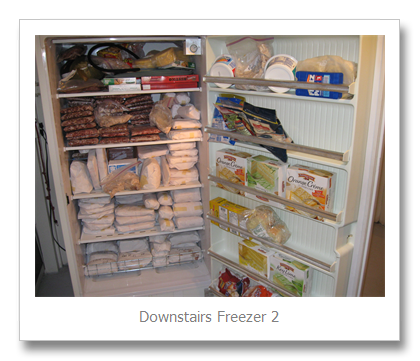
I was reading the Menu Mom tweets recently and she's issued a challenge to eat solely out of our pantry and freezer for a whole month! Since I don't have as much as her stocked up (take a look at the following picture!) I've been taking it week by week.

This week? Yup, ate out of the pantry and freezer. Other than the diet I'm on which I need fresh veggies for, the whole family ate only stocked food. I don't know if I'll be able to sustain this another week, not having three freezers and a super pantry like Christine has, but I will keep my supplies in mind when I'm menu planning for this coming week.

Join Christine and others, including me, for a CHALLENGE that will (hopefully) lower your grocery bills at least for a week or two. Oh yeah baybee! Our grocery bill was lots lower too.


Mar 6, 2009

Cutting Costs

When a company falls on difficult times, one of the things that seems to happen is they reduce their staff and workers. The remaining workers need to find ways to continue to do a good job or risk that their job would be eliminated as well. Wall street, and the media normally congratulate the CEO for making this type of "tough decision", and his board of directors gives him a big bonus.

Our government should not be immune from similar risks.

Therefore: Reduce the House of Representatives from the current 435 members to 218 members and Senate members from 100 to 50 (one per State).. Also reduce remaining staff by 25%.

Accomplish this over the next 8 years. (two steps / two elections) and of course this would require some redistricting.

Some Yearly Monetary Gains Include:

$44,108,400 for elimination of
base pay for congress. (267 members X $165,200 pay / member / yr.)

$97,175,000 for elimination of the above people's staff. (estimate $1.3 Million in staff per each member of the House, and $3 Million in staff per each member of the Senate every year)

$240,294 for the reduction in remaining staff by 25%.

$7,500,000,000 reduction in pork barrel ear-marks each year. (those members whose jobs are gone. Current estimates for total government pork earmarks are at $15 Billion / yr)

The remaining representatives would need to work smarter and would need to improve efficiencies. It might even be in their best interests to work together for the good of our country?

We may also expect that smaller committees might lead to a more efficient resolution of issues as well. It might even be easier to keep track of what your representative is doing.

Congress has more tools available to do their jobs than it had back in 1911 when the current number of representatives was established. (telephone, computers, cell phones to name a few)

Note:
Congress did not hesitate to head home when it was a holiday, when the nation needed a real fix to the economic problems. Also, we have 3 senators that have not been doing their jobs for the past 18+ months (on the campaign trail) and still they all have been accepting full pay. These facts alone support a reduction in senators & congress.

Summary of opportunity:

$ 44,108,400 reduction of
congress members.

$282,100, 000 for elimination of the reduced house member staff.

$150,000,000 for elimination of reduced senate member staff.

$59,675,000 for 25% reduction of staff for remaining house members.

$37,500,000 for 25% reduction of staff for remaining senate members.

$7,500,000,000 reduction in pork added to bills by the reduction of congress members.

$8,073,383,400 per year, estimated total savings. (that's 8-BILLION just to start!)

Big business does these types of cuts all the time.

If Congresspersons were required to serve 20, 25 or 30 years (like everyone else) in order to collect retirement benefits there is no telling how much we would save. Now they get full retirement after serving only ONE term.


Dec 28, 2007

School Lunch Savers

Amazingly, the hot lunch program at school isn't required to provide a daily balanced lunch, but just a WEEKLY balance. So if my child eats hot lunch only one or two times a week, she may not get the needed nutrients to grow her body and brain.

And I just can't imagine spending the money to send individual sized chips, drinks, and snacks to school with my kids. Yes, they are cute little things, but mostly you're paying for packaging! Just look at this:

The average mom packs $2.00 worth of pre-packaged goodies into each lunch she sends to school with her kids. (That works out to $720 for 2 kids.)

While the kids aren't in school this week, thanks to the holiday break, here's a quick article on saving money on kids' lunches - up to $400 a year! It's a good time to plan for the upcoming week. The kids always like to help cooking, too, so why not make your own and save money?

Those snack bags of munchies cost a lot! Make your own by pre-packaging chips, pretzels, animal crackers and other snack items into sandwich bags on the weekends. (Have the kids help!) Store them in a big container or basket and just throw them in the lunch box in the morning.

Let the kids create their own pizza lunch kits - Toast bread and cutout little circles with a biscuit cutter. Add small containers of pizza sauce, cheese, and other toppings.

Make fruit gelatin and pudding and put in small plastic containers for the week. Make a large batch of granola bars, cookies, pumpkin bread, banana bread or muffins. Divide them into zip top sandwich bags and freeze so that you can grab one or two when needed.

Brownie bites are simple to make. Bake brownie mix in mini-muffin pans and put three "brownie bites" in a sandwich bag for each child's lunch. They freeze well too!

Fill thermos (not glass) half full with juice the night before and freeze. In the morning, remove from freezer and fill the rest of the way. The juice will be cold when the kids are ready to drink it and it keeps their food cold too.

Clean vegetables, slice into pieces and bag. Preparing a weeks worth of veggies at a time for lunches and snacks saves money and time.

Purchase cheese in blocks, cut into pieces and put in sandwich bags.


Article Source: Creative Homemaking

Dec 5, 2007

10% Toy, 90% Child: Finding the Right Christmas Gifts

I meant to have this up for the WFMW, but didn't get it done. Enjoy, regardless.

From the NASA newsletter:

Before you run out and buy the latest electronic games and devices for your kids this holiday season, Temple University and University of Delaware psychologists want you to think simple. They say the overarching principle is that children are creative problem-solvers and discoverers, and they are active. Children build their imaginations around simple toys -- the toys don't command what the child does, but the child commands what the toys do. They believe that electronic educational toys boast brain development and that they are going to give the child a head start. But it does not work this way, according to the psychologists. If children play with toys that allow them to be explorers, they are more likely to learn important lessons about how to master their world. The psychologists suggest that parents follow a few basic guidelines when choosing toys for young children. Look for a toy that is 10 percent toy and 90 percent child. Look for something that they can take apart and remake or reassemble into something different, which builds their imagination. Does the toy encourage social interaction? Can more than one child play with the toy at the same time? Old-fashioned retro toys, such as rubber balls, building blocks, clay, and crayons are usually much healthier for children than the electronic educational toys.
Find out more at Temple University


Nov 16, 2007

Homemade Corn Nuts

My dad (Grampa on the Farm) sent this to me in an email and I thought it would make good postin'. I did some research on the internet and found that Kurt Saxon has a website! Click the name below to see his site.


by Kurt Saxon

You must be familiar with corn nuts. They are put up in plastic snack bags and are sold in most gas station markets. They cost about 25 cents an ounce and are made from Hickory King Corn, a larger type than feed corn.

The only difference between Hickory King and other varieties is the size. There is no difference in taste. So you can make all the corn nuts you like and be assured they are just as good as the commercial kind and cost next to nothing.

Corn nuts are a variation of parched corn. Indians and pioneers ate parched corn almost as a staple while traveling. It -was very nutritious and took up little space so was considered an excellent trail food.

Parched corn was made by Indians by putting dried corn on hot rocks or in hot coals. You can make parched corn by simply covering the bottom of a greaseless frying pan with corn and stirring until the kernels are uniformly brown.

Corn nuts are a little more refined. As a sample batch, use one cup of whole corn, bought from any feed or health food store. Soak the kernels in two cups of water for three days, in the refrigerator .

Pour off the water and dry the kernels in a towel. Heat up about four cups of grease; bacon, lard, vegetable oil; it doesn't matter. When it is so hot a drop of water sputters on its top, lower a heaping tablespoon of kernels into the middle of the grease. The grease will then begin to boil violently. You have to know how it will react so you won't be tempted to just dump the whole cup in and watch the grease erupt all over the stove.

Make sure any handle to the container is turned toward the back of the stove, especially if you have a child standing by. Also, stand back as an occasional kernel will pop like popcorn.

At first the kernels will sink to the bottom and most will rise to the surface as their moisture departs. When they float to the surface watch until they turn copper brown.

Take out a kernel occasionally, let it cool a minute and chew it. If it's chewey it's not done. When it crunches and shatters it is. Then scoop the browned kernels out onto a piece of newspaper to absorb the grease.

Now you can continue a heaping tablespoonfull at a time and cook them about three minutes or, cautiously and slowly pour the rest of the cup in. After the boiling stops the kernels will rise and simmer on top. But the whole cupful will cause the grease to cool some so the real cooking will take about fifteen minutes.

All you're doing is deep frying them. You can experiment with a shallow frying pan or a deep fat cooker. The result will be the same. With salt, they will be delicious.

Don't use the same grease for more than three or more batches. The heat breaks down its molecules in time -and it can be unhealthful.

You might also try deep fat frying soybeans. They are tasty but not so much as corn nuts. Soybeans need only be soaked overnight. Also, they cook in a shorter time and are lighter than copper brown and do not become exactly crunchy; something between chewy and crunchy. Munchy. Tasty with salt.

Both corn nuts and deep fried soybeans can be mixed for party snack bowls or while watching TV.


Several Links To Some Online Sources Of "Hominy Sized" Seed Corn

www.RareSeeds.com ~ Hickory King Dent Corn ~ 150 seed pack - $2.25 ~ Buy This Corn

www.rhshumway.com ~ Field Corn Hickory King ~ 1 lb. bulk seed - $6.95 ~ Buy This Corn


Nov 7, 2007

Preventing House Fires by Dryer

Each year there are more than 15,000 house fires caused in the laundry room. This means more than 300 injuries and 30 deaths a year are the direct result of blocked dryer vents. That's roughly 90 MILLION DOLLARS in damage in the US alone. Preventing this type of fire is inexpensive and easy.

Every year there are over 15,000 home fires caused by dryer fires with over 300 injuries and leading to 30 deaths. Not cleaning dryer vents also causes 90 million dollars in damages in the United States alone.

How do you know your vent needs cleaned?

The dryer is taking lots longer to dry things - think about cleaning out those vents. I notice this more on my loads of towels or heavy jeans. Generally, dryer vents should be cleaned every six months. Daylight Savings Time - the same time you change the batteries in your smoke detector - is a great time to clean those vents.

Why clean the vent?

Lint. Lint comes from clothes and the lint trap doesn't do a perfect job. Cleaning the vent outside the trap removes the extras.

Where do I find the vent?

At the back of the dryer is the "out spout" that connects to some type of tubing that routes the vent outside. Mine is a vinyl accordion tubing. Since I can reach it, I also clean the outside vent spot.

Do It Myself or Hire A Pro?

You can buy the tools and do it yourself saving a bunch of money. Go to your favorite DIY Warehouse (Lowe's is mine) or an online store for this job. You'll need a brush (round or flat) on a pole or durable line. Ask someone at the store what is best for your type of dryer.


Take care of your dryer now and prevent the risk of a fire in your home. While I use the vacuum to clean out my dryer tubes, you can BET I'm going to run to Don Aslett's Cleaning Center and get some dryer cleaning tools now.


I got the idea for this article from this source.

Aug 9, 2007

Skin MD - Saved Me!


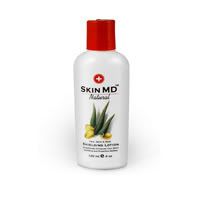
When I was having low thyroid issues several months ago, one of the first symptoms I noticed was very dry skin. Luckily I had a sample bottle of Skin MD around to try. This stuff is WONDERFUL!

I'm a low maintenance kind of gal and lotion isn't one of my top priorities. Luckily, the Skin MD shielding lotion isn't supposed to be glopped on at one hour intervals and doesn't leave big greasy mess.

Snip from the site:

"Shielding lotion is a lotion that forms a protective barrier on the skin and keeps out irritants and chemicals. It also allows the natural oils and moisture to remain in the skin so it can heal better. It is a big advantage that shielding lotions are light and go on without a greasy mess, " says Dr. Brian Zogg, a dermatologist in Albert Lea, MN.

Well GOOD, says I. I can apply this light, scent free lotion and go straight back to what I was doing without waiting for the lotion to sink in, evaporate, or get wiped off.
"A conventional lotion is not formulated to protect the skin like a shielding lotion does. Conventional lotions only add surface moisture to temporarily alleviate dry skin or itching. Shielding lotions stay on because they bond with the skin and protect it for long periods of time. With this protection in place your skin keeps its own moisture in and has a chance to use this natural moisture in the deep layers of the skin to heal itself," states Dr. Lisa Benest, a board certified dermatologist of Burbank, CA.
As a mom, I get my hands in chemicals (cleaning) and yuckies (uuh, 4 kids!) every day without fail. It's nice to know that Skin MD has got my hands safe from dryness.


Skin MD is

Dermatology tested
Fragrance and colorant free
Hypoallergenic
Paraben free
Non-comedogenic
No animal products or testing

While I don't know what all those words mean exactly, I DO know that this is the most wonderful lotion I've ever used and will be the only one I buy, ever more. Best of all -
you will absolutely love the way Skin MD Natural™ feels, goes on, and how it protects and hydrates your skin that we unconditionally guarantee it.

You read that right - they totally guarantee that you'll L-O-V-E it! Plus, there's a free sample section right one the site. How could you go wrong? I'm marking this one Frugal Baybee!!

My thyroid problem has been resolved but I'm still using Skin MD Shielding Lotion. I foist it upon the kids (yes, they thank me) and the Hubbers, and it's all good. Try some out and be sure to tell them that The Estrogen Files sent you!

One request, Skin MD magicians. How about a Skin MD with sunscreen in it?

Aug 8, 2007

Small Space? Big fixes!

I like the Better Homes and Gardens website. It's so pretty and full of useful ideas that I will never actually use but enjoy drooling over. Beyond that, I have a small house (1400 sq ft) and lots of family (4 kids! pets galore! Hubbers!) and need some storage ideas since we have no garage. So when I saw the article entitled Steal 19 Small-Space Ideas, I was all over it!

Good, useful ideas on what kind of out in front storage that doesn't suck and is pretty and how to achieve some nice looks.

And just for fun? Take this Organization IQ test.

My results?


Your Score: 8 of 10, or 80%

Your Rank: Neat as a pin! Give yourself a medal for outstanding organization.


Aug 6, 2007

Hey KNITTERS!

Great Bernat yard on sale for 97 cents? Here's the link, go get 'em!


Good until 10 August. Guess it's time for me to learn to knit...

Jul 24, 2007

Okay, FINE! Last One...

Last one of my posts regarding water conservation, fourth in a series:

Plumbing maintenance:

1. Install covers on pool and spas and check for leaks around your pumps.

2. We're more likely to notice leaky faucets indoors, but don't forget to check outdoor faucets, pipes, and hoses for leaks.

3. Remember to check your sprinkler system valves periodically for leaks and keep the heads in good shape.

4. Make sure your swimming pools, fountains, and ponds are equipped with recirculating pumps.


Miscellaneous tips:

1. Start a compost pile. Using compost when you plant adds water-holding organic matter to the soil.

2. Throw trimmings and peelings from fruits and vegetables into your yard compost to prevent using the garbage disposal

3. When you give your pet fresh water, don't throw the old water down the drain. Use it to water your trees or shrubs.

4. When you clean your fish tank, use the water you've drained on your plants. The water is rich in nitrogen and phosphorus, providing you with a free and effective fertilizer.

5. If you accidentally drop ice cubes when filling your glass from the freezer, don't throw them in the sink. Drop them in a houseplant instead.

6. For hanging baskets, planters and pots, place ice cubes under the moss or dirt to give your plants a cool drink of water and help eliminate water overflow.

7. When you have ice left in your cup from a take-out restaurant, don't throw it in the trash dump it on a plant.


PS - It's RAINING here!! Thank you, God.

Jul 20, 2007

Considering Xeriscape?

Water is important - save some for me!!

Third in a series:

Landscaping tips:


1. Use a layer of organic mulch around plants to reduce evaporation and save hundreds of gallons of water a year.

2. Reduce the amount of grass in your yard by planting shrubs, and ground cover with rock and granite mulching

3. Direct downspouts and other runoff towards shrubs and trees, or collect and use for your garden.

4. If you have an evaporative cooler, direct the water drain to a flowerbed, tree, or your lawn.

5. Water your plants deeply but less frequently to create healthier and stronger landscapes.

6. Group plants with the same watering needs together to get the most out of your watering time.

7. Choose a water-efficient drip irrigation system for trees, shrubs and flowers. Watering at the roots is very effective. Be careful not to over water.

8. More plants die from over-watering than from under-watering. Be sure only to water plants when necessary.

9. Use porous materials for walkways and patios to keep water in your yard and prevent wasteful runoff.

10. Avoid installing ornamental water features and fountains that spray water into the air. Trickling or cascading fountains lose less water to evaporation.

11. Next time you add or replace a flower or shrub, choose a low water use plant for year-round landscape color and save up to 550 gallons each year.

12. Landscape with Xeriscape trees, plants and groundcovers. Call your local conservation office for more information about these water thrifty plants.

13. Leave lower branches on trees and shrubs and allow leaf litter to accumulate on top of the soil. This keeps the soil cooler and reduces evaporation.

14. Remember to weed your lawn and garden regularly. Weeds compete with other plants for nutrients, light, and water.


Jul 19, 2007

Save Some Water for the Fishes

From my local water website:

Water is the element that sustains life on earth. All living things on earth need water to stay alive. Clean sources of water are a valuable commodity and we are grateful to have a good source of water to supply our needs. However, we should consider how we use the water we have. Are we careful to use water only when needed or do we let the water run down the sink drain for no good reason?

The area in which we live is arid, high country desert. We receive less than sixteen inches of precipitation annually. A lawn and landscape requires a lot of maintenance and the most important part of that care is properly watering the lawn.

The first few warm days of summer does not automatically mean that it is time to water lawns. In fact, allowing lawns to start to undergo mild drought stress actually increases rooting. Watch for foot printing, or footprints remaining on the lawn after walking across it (instead of leaf blades bouncing back up). Grasses also tend to turn darker in color as they go under drought stress.

Proper watering of lawns and landscapes can improve the quality of your lawns and in the process save you money by conserving water use. The following ideas can be used to help you and your families conserve water during the year (items are not listed in any particular priority):

Second in a series on water conservation:
Lawn Care, part 2

14. Divide your watering cycle into shorter periods to reduce runoff and allow for better absorption every time you water.

15. Place an empty tuna can on your lawn to catch and measure the water output of your sprinklers. For lawn watering advice, contact your local conservation office.

16. Buy a rain gauge to track how much rain or irrigation your yard receives. Your lawn only needs one to one and a half inches (1"-1 ½”) of water per week.

17. Water your lawn once every three days.

18. Only water your lawn when needed. You can tell this by simply walking across your lawn. If you leave footprints, it's time to water.

19. Adjust your lawn mower to a higher setting. Longer grass shades root systems and holds soil moisture better than a closely clipped lawn.

20. When the kids want to cool off, use the sprinkler in an area where your lawn needs it the most.

21. When watering grass on steep slopes, use a soaker hose to prevent wasteful runoff.

22. Water only as rapidly as the soil can absorb the water.

23. Aerate your lawn. Punch holes in your lawn about six inches apart so water will reach the roots rather than run off the surface.


Jul 16, 2007

Water Conservation is BIG TIME!

Here in SE Idaho we're in our 6th year of drought. Not enough snow in the winter, not enough rain in the summer.

We're located in the high desert, so we're not used to much precipitation here at all - about 10 - 14 inches per year. Is that too much to ask? Apparently.

Water Rights are a big issue in Idaho and three of the five wells serving our local population are about to be co-opted. That means that someone else has first rights to use the water which I, my family and neighbors drink. Overall, this means that I will have less water to drink, water the plants/lawn, and cook with.

This is the first time in the ten years we've lived here that the water rights have become an issue. At present, they're simply looming overhead. Saving water is a big deal here. I wish more people would practice a few simple water saving techinques.

Here's the first in a series I'm presenting on Water Conservation.

Lawn care:

1. Check your sprinkler system frequently and adjust sprinklers so only your lawn is watered and not the house, sidewalk, or street.

2. Set a kitchen timer when watering your lawn or garden with a hose.

3. Use sprinklers that throw big drops of water close to the ground. Smaller drops of water and mist often evaporate before they hit the ground.

4. Teach your family how to shut off your automatic watering systems. Turn sprinklers off if the system is malfunctioning or when a storm is approaching.

5. Avoid planting turf in areas that are hard to water, such as steep inclines and isolated strips along sidewalks and driveways.

6. Use the sprinkler for larger areas of grass. Water small patches by hand to avoid waste.

7. Plant during the spring or fall when the watering requirements are lower.

8. While fertilizers promote plant growth, they also increase water consumption. Apply the minimum amount of fertilizer needed.

9. Minimize evaporation by watering during the early morning hours, when temperatures are cooler and winds are lighter.

10. Don't water your lawn on windy days. After all, sidewalks and driveways don't need water.

11. Install a rain shut-off device on your automatic sprinklers to eliminate unnecessary watering.

12. Use a screwdriver as a soil probe to test soil moisture. If it goes in easily, don't water. Proper lawn watering can save thousands of gallons of water annually.

13. Use a broom instead of a hose to clean your driveway or sidewalk and save 80 gallons of water every time.


May 12, 2007

What is a Swamp Cooler?

Why, it's how we cool our house in this dry climate! Evaporative ("swamp") coolers are the most cost effective method for cooling a house in a dry climate. The electricity is used to run a large fan and a water pump.

Ours comes into the house (via an air duct) through the wall, rather than the roof. It's a large metal box with four sides made of removable vent panels filled with what looks like mats of hay or straw (the cooler pad).

The fan runs, sucking air through the water soaked pads and blows cool air into the house. You draw the cool air around the house by cracking windows about three fingers wide.

This works only in dry climates, not during rain or humidity. Thankfully we have little humidity in our area of Idaho and our average precipitation per year is less than 9 inches!

Why am I explaining this to you? Masochism aside? Because Hubbers had to "cowboy up" the cooler today. I don't tolerate heat well and it's been toasty lately! He broke the switch that regulates the water flow and had to replace it, but we're good to go now! Too bad we're on the way out to a picnic in the park for our local La Leche League. Can't take the cooler with me...

Advantages:
  • Estimated cost for installation is 1/8 to 1/2 that of refrigerated air conditioning
  • Estimated cost of operation is 1/4 that of refrigerated air.
  • Power consumption is limited to the fan and water pump vs. compressors, pumps, and blowers.
  • The constant and high volumetric flow rate of air through the building reduces the age-of-air in the building dramatically.
Disadvantages:
  • High temperature, high humidity outside conditions decrease the cooling capability of the evaporative cooler.
  • Evaporative coolers require a constant supply of water to wet the pads.
  • Water high in mineral content will leave mineral deposits on the pads and interior of the cooler.
  • The water supply line needs protection against freeze bursting during off-season, winter temperatures. The cooler itself needs to be drained too, as well as cleaned periodically and the pads replaced.


Click on the swamper image for a larger view, or visit Wikipedia for more info.
Cool drinks image via MorgueFile.


May 8, 2007

Teacher, I Appreciate You!

Did you know that this, the first full week of May, is Teacher Appreciation Week? Our school tries to show the teachers just how important they are to us as parents, our children, our school.

One thing the PFA (like PTA) does is provide vases for the kids to bring flowers in for their teachers, the principal, the secretaries and so on. The kids have the whole week to bring in flowers, and the Monday bouquet was beautiful!

The PFA also puts out a baggie of candies with "love" notes each day. Yesterday was a bag of Lifesavers saying "We Appreciate You a HOLE Lot!" I spent all of yesterday morning interrupting classes and kicking the teachers out for 10 minutes to get the classes to sign a large card without the teacher present. Whew! Lots of work there.

So, how can you appreciate your teacher? After all, how many porcelain apples can a teacher really display? Here are some practical, but not bank breaking, ideas to celebrate YOUR favorite teachers.

1. Teachers often spend hundreds of dollars of their own money stocking their classrooms. Help her/him out in this by giving a gift certificate to a school supply store, StuffMart, or arts/crafts store. In this same vein, remember to stock up a little extra at each sale of school or class supplies. Pencils, glue sticks, paper are always things that go over big here - put them in a clear plastic box with a lid and it's an instant present!

2. Gift certificates for anything - to the movies, DVDs (add a bag of popcorn!), restaurants.

3. Homemade yummies - cookies, fudge, breads, muffins, double-chocolate biscotti, dipped pretzels.

4. Personalized pencils or pens? Notepads? Sticky posts? Coffee Cup? Note cards

5. Something your child made (or wrote) just for that teacher.

6. A small gift basket with your favorite gifting idea inside: Lotions, soaps, bath items, growing herbs, candles, potpourri, class theme items, lollipop bouquet.

7. Donate a book to her classroom - this is especially helpful for the new teacher. Let your child (nicely) inscribe the fly page. OR donate to the library in the name of your family.

It's likely that you are going to forget someone - the office aids, the special ed teacher, the resource center ladies, the speech therapist, the janitor, the lunch ladies. Even just a thank you card means so much when it's not expected.

Providing a small thank-you to these hardworking people shouldn't break the bank! What other ideas do you have for appreciating teachers and the like?

Come on - you KNOW you want to comment!!


---------------------------------------------------------
World Breastfeeding Week: August 1 - 7

May 5, 2007

Governor On Food Stamps?!

Did you see this? The Democratic Governor of Oregon (Ted Kulongoski and his wife, Mary Obers) spent a week living on the cash equivalent of food stamps to see what it was like - ie: how the other half lives.

Yeah, it was all a "gimmick" for Oregon Hunger Awareness week, and to highlight how the "evil" Bush administration has proposed cuts to the food stamp program for the 185,000 recipients that qualify only because they are on other government assistance programs.

How much is that? About $3 a day per person. YIKES! Could you feed yourself for $3 a day, much less your family? I read in one place that they couldn't use pantry storage items, and that yes, they could on a limited basis in another.

Once upon a time, we were young(er), poor(er), and in need of serious budgeting help. While we worked on getting our butts in line money-wise, I was on an extremely limited budget for food without qualifying for WIC or other assistance. We cut out everything (and I do mean EVERYTHING) that we absolutely did. not. need. to subsist. No, I think we were spending more than $3 per day per person, but not by much.

(Side note: I went on a church trip one year to a large multi-flagged amusement park with only $3 in my pocket for food the whole weekend and survived. Other than no one wanting to talk with me (I was the "n-eeeww!" kid), it was an okay weekend in that no one threw anything at me intentionally. Good thing I was a little padded, even then!)

Now, our lives are in a better place. We have a few extras like cable modem and a regular DVD movie night, but I still plan my grocery lists and shop frugally. We don't eat name-brand items, we eat less meat, we do shop sales, and I'm not against using the internet and/or manufacturer 800 numbers for coupons.

In a comment made by the First Lady of Oregon, Mary Oberst, we find out that she "splurged" on half and half for the big man since his ship of state don't run 'thout it. Miss Mary, would you still splurge on "food" of this sort if you knew that next week you wouldn't be back on your Governor-and-Attorney salaries?

So while the Governor of Oregon may have done it for a week, could he have kept up with his frugal way of life, food-wise, for any substantial length of time? I'd be willing to bet that the answer is no.

So what I REALLY REALLY want to know is this:

When people are using food stamps/state benefit cards to purchase food, why do they seem to choose crap like potato chips, soda, candy, and other such items which really ARE wasted non-food calories?

Before you bop on down to the comment section to leave me a love note, I must amend that this is based on the people that I've seen when I ended up behind them on line in the grocery store. I must also say that I'm a woman with strong Republican tendencies, for whatever that's worth.

Do the food stamp people enforce learning about proper nutrition? Do they teach how to cook nutritious foods on a small budget? Is there any hope for these people and their big government?

Food for Thought:
Did you know that my state (and perhaps yours) offers an (Idaho) State University extension office class on nutrition, frugality in the market, and healthy choices? I took this class several years ago and learned SO MUCH valuable information.

---------------------------------------------------------
World Breastfeeding Week: August 1 - 7

Apr 11, 2007

The Benefits of Solar and Wind Power

(Originally written March 2001)

Yes, I do own an electric dryer, but I can hardly wait till the first time I get to hang my laundry out in the sun. This review is meant to show you the benefits of using your natural resources, as opposed to buying a dryer as your only means of drying laundry.

It's a typical day in Idaho today - windy. The rest of the world knows it as "March". You know, the whole "in like a lamb, out like a lion" stereotype. In Idaho, (which I'm convinced is some Indian word for "the wind never stops blowing") there seems to be barely a day without the wind blowing. However, you won't catch me complaining too much. That ever present wind does wonders for drying clothes!

I hung out my first load of laundry on the line today. It's the earliest I've done it since I started using that fantastic natural resource. As I hung out my freshly washed sheets and tried to stay away from the whipping corners, I realized how I missed this over the winter.

I've noticed that the sun and wind dry my clothes faster than throwing them in the dryer. The smell of outdoors is just driven right into every fiber of the clothing or sheets. There is nothing like climbing into bed and falling asleep with the smell of the outside surrounding you. The smell lingers in the linen closets and dresser drawers far into the winter.

Now, there is no reason that you can't hang your laundry outside during the winter, either. I promise, the wind still blows then, too. Unfortunately, I have yet to meet an Idaho winter where I can make it out my back door without landing in snow up to my knees at least. But, assuming that I could make it to the clothesline and back without getting lost or snowed on, I suppose it would be a viable option.

No, you can't hang laundry outside when it's raining. A drawback if you live somewhere wet, true. But, laundry can be hung out in almost every other kind of weather imaginable! Snow, no problem, if you don't mind frozen clothes. Sun and wind are the best. You can even hang laundry out right before a storm when the wind is picking up or at night! Talk about freeing up some time.

Let's talk money - a driving factor in many people's lives. Money is something that is always in short supply around here and NOT sending any more than I must to Rockey Mountain Power is always something to work towards. Not using the dryer in the summer is a great money saver, too. Like I said before, drying outside takes less time, which means you aren't waiting for the dryer to finish those towels and blue jeans so you can throw in your T-shirts and socks. I'm saving my money for running the dishwasher and using the computer! Not to mention that not running the dryer keeps the house cooler in the summer. And it looks like it's going to be a hot one!

Another money saving feature? Okay, how about bleach? A big bottle of regular bleach will run you between $2.50 and $5.00 depending on what kind strikes your fancy. Try hanging your clothes outside and get a natural, gentle bleach for your clothes. The sun is great at removing or lightening stains, taking out nasty smells and it's FREE!

I find that being outside also presses the clothing . Yep. No more running the iron for me! The clothes come out fairly wrinkle free and easy to fold. Since I hate folding sheets more than most anything except cleaning the bathroom, this is a super fantastic side effect! The king-sized sheets are no longer big and bulky and hard to manage. They are crisp, pressed, and held in place by clothespins till I'm ready to fold them up.

Stepping outside every now and again to collect or hang the clothes is a big booster for the morale. It helps me feel like, yes, someday the housework will be finished... and then I can start on the lawn. Seriously, it's nice to be able to leave the house for a few minutes and not worry about locking up, to get a few minutes of sun, and to relax and stretch a bit. Plus, it gets me away from the kids for a few precious seconds that even going to the bathroom lacks.

Now, there are a few things I don't hang out to dry, but it's personal preference. I don't like wearing stiff undies and socks. Or using stiff towels. So, those loads go into the dryer, but everything else makes it's way outside. Even my baby's cloth diapers go outside on the line. You can always toss them in the dryer for five minutes or so with a damp washcloth to soften them if you think they are too stiff.

So, you ask, what do I need to get started? Well, first the obvious: clothes. We all wear 'em and they get dirty, so I guess you're set. You'll also need a clothesline stretched between two points a good distance apart. Mine are two metal "T" shapes set into a bit of concrete roughly 20 or so feet apart.

Get a good quality clothesline. I've got a plastic covered wire that works well. You can buy plain old cotton line or specialized clothesline. But get a good quality or you'll be replacing it sooner than you'd like. Of course, it's not expensive, but every little bit, right? The only not so great thing about the line I got is that it has to be tightened every so often as the line slackens a bit after use. But, one tightening at the beginning of the "outside laundry season" is all it usually takes. I bought my line in a big grocery/department/home improvement store in the same section as the irons, ironing boards, and clothespins.

And speaking of clothespins, it is very worth it to get the good quality clothespins, too. I bought some one year at the Dollar Store and I seriously regret it even now. Every time I opened one to put it over the line, it would snap in half and one piece would fly left, one right and the metal thing would go straight up. Oh well, another dog toy (she loves old clothespins!) Get the nice, all-weather ones - no I don't think that is what they are really called, but they are marked.

Outside storage for your pins. Some people use a cloth bag (mine broke off in the wind and flew into the neighbor's yard), some people use a cut out old bleach bottle (handy but haven't tried it, yet), and I use an old 5 gallon ice cream container. I don't have the lid any more, so the rain/snow/leaves do go into the container. To keep the pins from rusting and getting super dirty, I have punched some holes in the bottom of the container. The nice big handle goes right over my arm as I move down the line, pinning and unpinning, or it sits on the stairs, awaiting my return with no hope of tipping over. Some people have containers that slide along the line with you, but that never worked for me. I'm sure you can buy a special clothespin holder, but... why?

So, to recap, hanging laundry out to dry is a good thing for the following reasons:
1 - good smells linger in the laundry and closets
2 - the sun bleaches out stains and smells for FREE
3 - drying on the line presses out wrinkles and makes things easy to fold
4 - save a little money on running the dryer
5 - keep the house cooler in the summer
6 - take a little break from other work to step outside and enjoy the sun and beauty
7 - fun for kids to run in and around the sheets playing hide and seek

Try it! You might never go back to that loud, long running, hot dryer.


See more Works for Me Wednesday posts at Rocks in My Dryer.

Locations of visitors to this page

LinkWithin

Related Posts with Thumbnails